
A-Level Economics can feel overwhelming at first — diagrams, essays, data response questions and abstract theory all rolled into one. The good news is that with the right approach, Economics is one of the most logical and rewarding subjects to master.
Below are practical, exam-focused tips to help you improve understanding, boost grades and feel more confident in exams.
1. Master the Core Diagrams (They Win Marks Fast)

Economics is visual. Diagrams are not decoration — they are marks.
Make sure you can confidently draw and explain:
Supply and demand
Elasticities (PED, PES, YED)
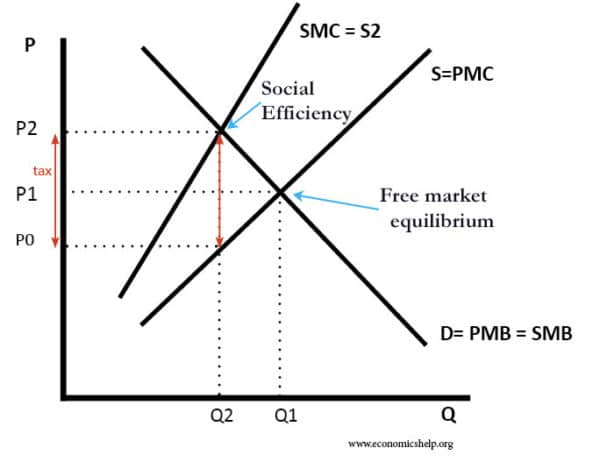
Market failure diagrams (taxes, subsidies, externalities)
AD–AS (short run and long run)
Labour market diagrams
Tip: Practise drawing diagrams from memory in under 30 seconds. Label clearly and always explain the direction of change.
2. Learn Definitions Like a Language
Precise definitions matter. Examiners are strict.
- Opportunity cost – Next best alternative foregone
- Demand-pull nflation vs cost-push inflation
- Productive vs allocative efficiency
- Real vs nominal values
Tip: Write your own one-sentence definitions and revise them regularly.
3. Structure Essays Before You Write
Most lost marks come from poor structure, not weak knowledge.
A strong economics essay usually follows:
- Clear introduction – define key terms, answer the question directly
- Logical paragraphs – point → diagram → explanation → evaluation
- Consistent evaluation – costs, benefits, short vs long run, stakeholders
- Balanced conclusion – judgement with justification
4. Evaluation Is Critical
Evaluation is the difference between:
C / B grades → explaining theory
A / A* → weighing arguments and judging outcomes
Good evaluation includes:
- Short vs long run effects, e.g. if the price of oil rises. In the short-term demand is inelastic, but over time, people have an incentive to find alternatives, e.g. buy electric cars, therefore, in the long-term demand is more price elastic.
- Elasticity conditions. The effect of an increase in the minimum wage, depends upon elasticity of demand. If demand for workers is inelastic, there will be a much smaller fall in employment, that if demand is elastic

With inelastic demand, the fall in employment is only Q1-Q2
- Size of the effect. If there is a fall in exports to EU, where 50% of UK exports go, this will be more important.
- Government failure
- Unintended consequences
Tip: Ask yourself: “Under what conditions would this argument be weaker?”
5. Use Real-World Examples
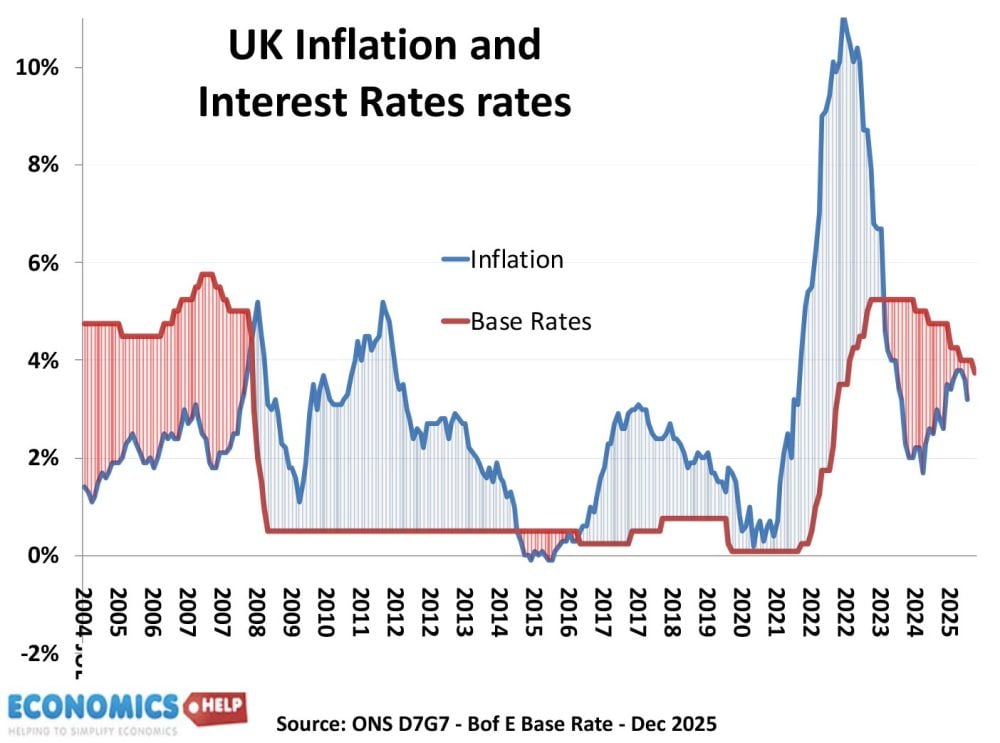
Real-world context strengthens answers — but don’t overdo it.
Good examples:
- UK inflation and interest rates
- Housing shortages
- Carbon taxes and climate change
- Minimum wage changes
Tip: One clear example explained well beats three vague ones.
6. Practise Data Response Technique

Data response questions reward:
- Careful reading
- Selective quoting
- Linking data to theory
Tip:
Quote numbers briefly (e.g in 2022. “inflation rose to 11%”) this matters because at that time inflation was higher than nominal wage growth.
7. Learn to Time Yourself Early
Many students know the content but run out of time.
Typical guidance:
25-mark essay → ~45 minutes
Data response → stick closely to mark weighting
Tip:
Practise under timed conditions at least once a week.
8. Don’t Revise Passively
Reading notes is not enough.
Better methods:
- Redraw diagrams from memory
- Explain topics out loud (teach an imaginary student)
- Answer exam questions without notes
- Compare your answer to mark schemes
Tip:
If revision feels easy, it’s probably not effective.
9. Don’t worry if hard at first
Economics is not easy. But, the longer you immerse yourself in the subject, the easier it will become.
Learn how many ideas and chain of reasonings and evaluation can be re-used. Forexemple
Take two questions
- Discuss the effect of higher government spending
- Discuss the effect of a depreciation in the exchange rate.
10. Consistency Beats Last-Minute Cramming
Economics rewards steady effort.
Even:
20–30 minutes a day
Regular diagram practice
Weekly essay planning
…can make a huge difference by exam time.
Final Thought
Economics is not about memorising facts — it’s about thinking logically, using evidence, and explaining cause and effect clearly. With structured practice and exam-focused revision, top grades are absolutely achievable.
Help is at Hand