
At least the budget is over; months of speculation, leaks and u-turns have made it one of the most feverish of budgets. This budget fever even slowed down the economy, with consumers holding back to see what taxes would go up. In the end, the budget basically boils down to more spending, more tax and more borrowing.
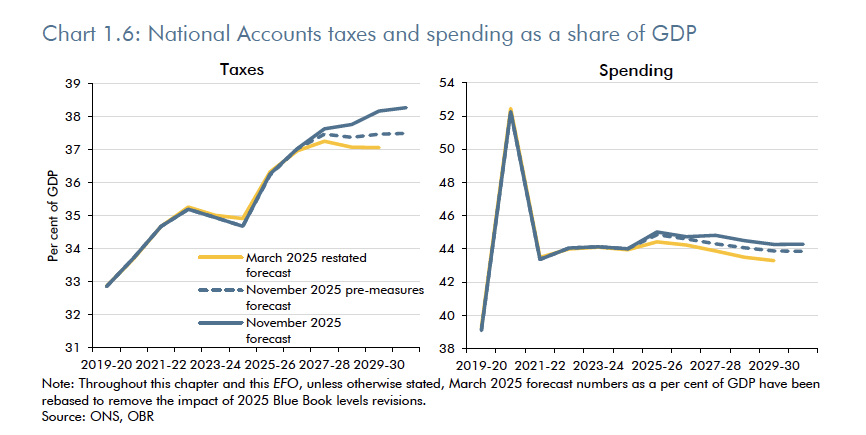
Taxes will now rise to 38.2% of GDP, the highest level since the second world war.
The government will now be spending 44% of GDP, which makes it one of highest in world. The biggest area is welfare spending which will rise from £314bn this year to £406bn in 2030/31. Of this, the biggest rise is the state pension from £138bn to £180bn. Yet, that is just the start; what the budget didn’t mention is how are we going to fund pension spending when it rises to 8% of GDP. This is on top of health care spending rising as a share of GDP. Defence spending is supposed to jump from 2.5% to 5% of GDP. It’s going to be a pretty big state in the future. Whist the triple lock is iron-clad, there were tax rises for the younger generation on pensions, savings and income tax thresholds.

Tax Threshold Frozen 3 Years
There was no increase in the basic rate of income tax, but a three year freeze in personal tax allowances raises a very similar amount. It begs the question when is a tax rise not a tax rise? Ironically, it means that inflation has become the Treasury’s friend and helped OBR forecasts to be better than expected. Higher inflation will push more people into higher tax bands.
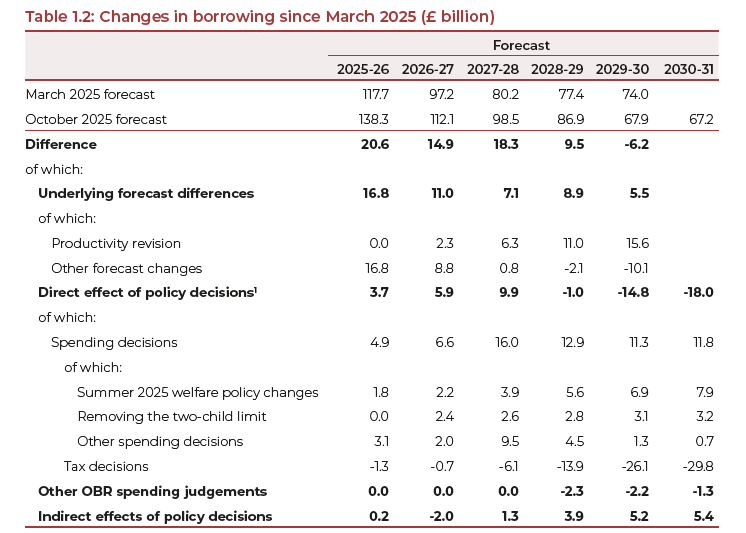
If we look at proposed budget changes, one thing that is quite striking is how borrowing will increase for the first three years, but in the final year, there will be a substantial rise in tax and also unspecified spending cuts. It all leaves quite a dramatic reversal in 2029-30.

Essentially, the good news is front-loaded, the bad news is deferred, it’s nothing new; it’s been a trick of the chancellor’s for many years now. Interestingly, the bond market reaction was surprisingly sanguine about this sleight of hand. After years of missing borrowing targets, does anyone really think 2029 will be the year of massive fiscal improvement?
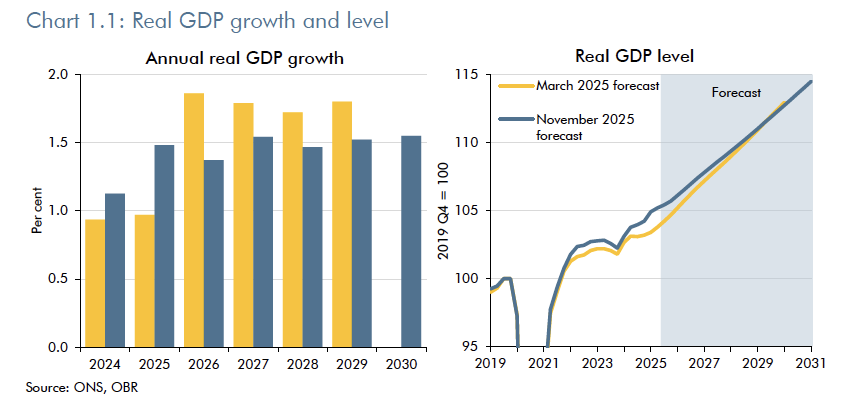
However, despite growth of 1.5% this year, growth is now forecast to be lower in future years. But, hidden away from the view is the more important story the OBR forecast an improvement in real household disposable income of just 0.2%. If you take into account housing costs, the impact will be negative for many. Housing is also one area that the budget couldn’t really address, but it is the hidden penalty for many people in the economy. Weak reforms to planning rules will help increase supply a little. But, it is too limited to make big difference. The bigger picture is that housing unaffordability shows no signs of improvement. There were very measures in the budget for promoting growth, such as simplifyingthe tax code, promoting investment or efforts to reduce inactivity. The budget speech mentions one reform would get 15,000 people off benefits and back to work. That might be welcome but since 2019, disability-benefits claimants in England and Wales have increased by 1.2m (40%).
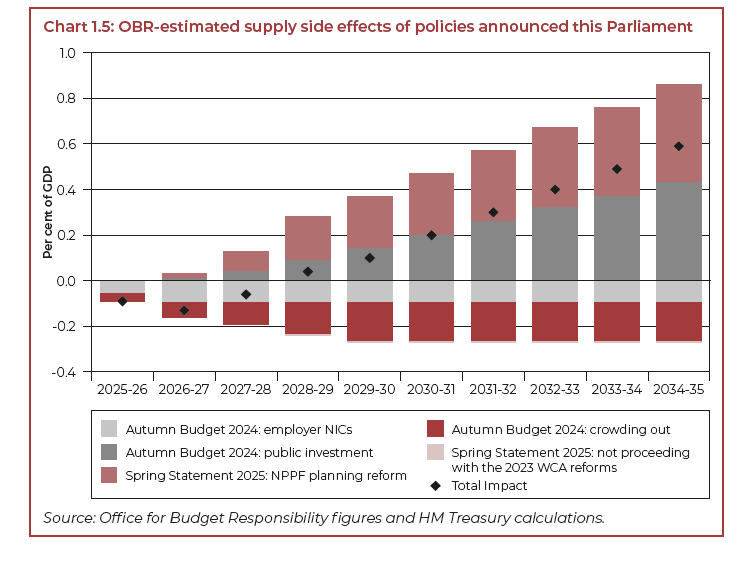
In sum, the OBR forecasts that government policy changes this parliament will raise GDP by 0.2% by 2030, but bear in mind, even a rise in GDP, is not necessarily translated into higher per-capita living standards. This very disappointing growth in real incomes is the over-riding backdrop to the budget. Also, there is the bigger question of are OBR forecasts of growth sare till over-optimistic? Because yet again, there has been a downgrade to productivity growth. With the UK economy underachieving, there is a real risk of further deterioration in finances and a return to the cycle of a chancellor coming back “please can I have some more tax rises”.
New Taxes
Rather than a clear focus and strategy on tax, there is has been the typical UK fudge. For those keen on taxing wealth, the new £2 million mansion tax and extension of council tax bands is a step in the right direction, but the sums raised are relatively just £400m by 2028 for the mansion tax, and the council tax will remain highly regressive. It does give an indication of why wealth taxes are not a magic bullet. By contrast, taxing pension contributions will raise significantly more. This will boost coffers, but don’t be surprised if it leaves to less savings, not great when the UK faces a demographic change and more old people in the future.
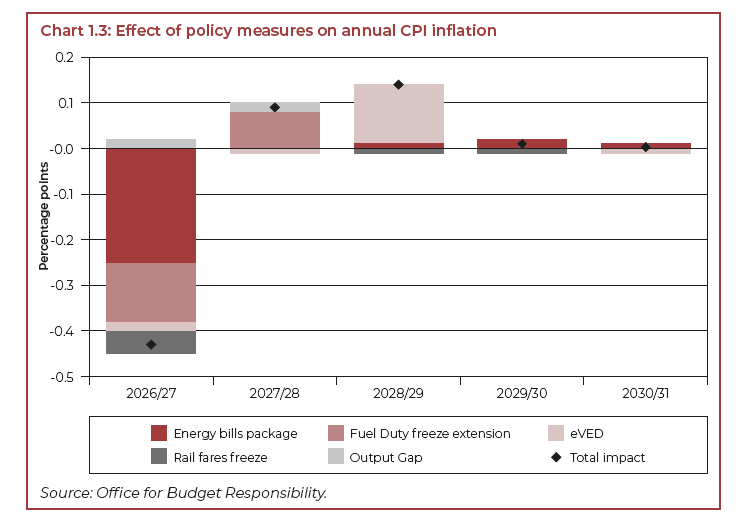
On a more positive note, there was an effort to address cost-of-living pressures. A freeze in rail fares, petrol tax and removal of energy company obligation, which increases electricity bills. After last year’s tax rises contributed to inflation, these changes will give at least a temporary improvement in the headline inflation rate. You can see it reduces inflation by 0.4% at least for one year. Normally, I’d dismiss this as a gimmick, but in the context of UK’s unrelenting bad news on inflation,n it will help in the very short-term and make interest rate cuts more likely – it probably explains bond market’s positive reaction. But, whilst it may buy some short-term benefit on inflation. It doesn’t address the underlying reasons for the UK’s tendency to higher inflation. It also means that petrol tax has been frozen for 15 years in a row. You can see how the OBR expect fuel tax receipts to fall, and this will only be marginally offset by the proposed rise in EV. It’s all very well reducing petrol tax, but it has to be put against the context of rising spending.
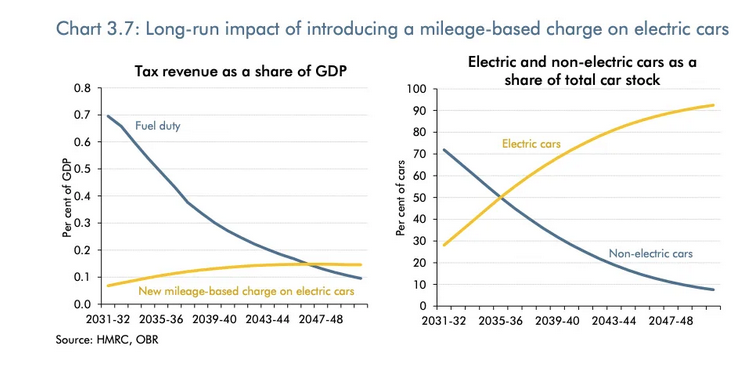
In fact introducing EV tax is one of very few long-term strategic thinking. There is far too much short-termism. Even abolishing the energy company obligation will reduce grants for improving the insulation of homes. Something the UK would benefit from.
A positive outcome is an increase in fiscal headroom from £9 billion to closer to £21.7billion. The chancellor will hope that this will avoid the deeply damaging speculation about what taxes will have to rise, which undoubtedly damaged the economy this year. Yet, despite a significant increase in tax, all it needs is some external shock or disappointing growth for speculation to return. £21bn can be easily wiped out by black swan event.
Hidden Spendings
Another thing hidden away in the OBR report was brief mentions of hidden spending pressures. Questions about health care spending, social care and special needs education. If SEND is fully funded through the education budget, it would imply cuts of of 1.7% per child, instead of 2.4% government claim. Also, there is an important assumption that other departments will see actual cuts towards the end of the parliament. These are departments like justice, prisons, environment – which are already struggling under the weight from several years of cuts. So the UK faces the unwelcome reality that although we head towards ever higher levels of spending, it is not clear that people will see any material improvements in satisfaction with public services. Waiting lists have marginally fallen, but still elevated, there is money for fire fighting short-term problems but only limited public sector investment.
The end to the two-child cap limit is definitely welcomed by child poverty campaigners. Without a reversal to policy, child poverty was expected to rise in the coming years, this will halt it.

In fact, the UK budget is highly progressive. Everyone pays more tax, but welfare spending and benefits in kind from public services rises. The problem is that it is easy to add spending commitments, but very difficult to take them away.
What are the bigger things the budget failed to mention? The OBR reiterated its belief that Brexit would damage productivity growth by 4%. It means a loss of £90 billion in tax revenue. UK exports continue to suffer. It’s not just Brexit but high energy costs and expensive planning rules that have caused a decline in industrial production. The concern is that the rising share of government is effectively crowding out the more productive industries.
The fundamental problem of this budget and in fact budgets of the past few years, is that they always seem devised to deal with short-term political pressures, and there is no willingness to take risks and fundamentally start again. The original sin, was really manifesto commitments which tied their hands behind their back. It is led to missed opportunities, and already the chance for a fresh start is largely squandered, so it is back to the old British way of muddling through and hoping something turns up. To be fair, it was a difficult hand, but when you basically keep the same policies, just a bit more spending and tax, it’s hard to address the problems. At least for short-term the economy will muddle through. Perhaps we will get a new era of productivity gains, it is actually possible and the UK economy does have some strengths, but it is going to be difficult to make use of them.
About The Author
