
Pollution is seen as an example of market failure. In particular, pollution is an example of a negative externality – a cost imposed on a third party. For example, when driving a car, other people suffer from the emissions e.g. global warming, air pollution. Therefore, in a free market, there tends to be the overconsumption of goods which create negative externalities. Therefore governments implement anti-pollution measures which can include
- Taxes. Higher taxes on fuel emissions will reduce demand and pollution. However, demand tends to be quite inelastic for these goods.
- Subsidies. Subsidising alternative sources of energy can provide an incentive to increase the supply of different fuel sources
- Pollution permits. Pollution permits are a tradeable permit scheme which gives firms and countries an incentive to reduce pollution, otherwise, they have to buy more permits.
- Regulation. Regulation can limit the amount of pollution; for example, banning cars on certain days.
Evaluation of anti-pollution measures
- Global co-operation. The problem with anti-pollution measures is that they require global cooperation and this is often difficult to achieve. For example, the Kyoto agreement on global warming was never ratified by the US. This creates a free-rider problem, countries can rely on others to improve the air quality, but not make efforts themselves.
- Business costs. Anti-pollution measures involve higher taxes and regulations, which increase the cost of business, leading to higher prices for consumers.
- Government failure. There is always the possibility of government failure with uncertainties about the right type of intervention.
- Evasion. High carbon tax may encourage business to try and evade.
Different types of anti-pollution measures
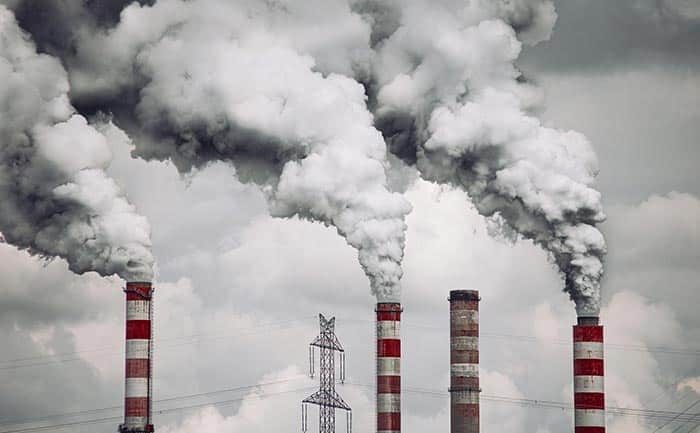
Anti-pollution measures refer to actions taken by governments, industries, and individuals to reduce or prevent pollution of air, water, and land. These measures can be technological, regulatory, or behavioural.
Air pollution
This mainly comes from vehicles, power stations, industrial emissions, and the burning of fossil fuels. Measures include setting emission standards such as Euro 6 and Clean Air Acts, promoting renewable energy like solar, wind, and hydro, improving public transport, encouraging the use of electric vehicles, and installing scrubbers, filters, and catalytic converters to clean emissions. Urban policies such as low-emission zones, congestion charges, and tree planting also help improve air quality.
Water pollution
This arises from industrial discharge, sewage, agricultural runoff, and plastic waste. It can be reduced through effluent treatment plants, bans on toxic chemicals and microplastics, better sewage systems, sustainable farming practices with less fertiliser and pesticide use, and the reduction of plastic pollution through bans and biodegradable alternatives.
Land Pollution
Land and soil pollution are caused by solid waste, pesticides, industrial waste, and poorly managed landfills. Effective measures include waste segregation and recycling, bioremediation using plants or microbes to clean contaminated soil, properly regulated landfills to prevent leakage, and strong enforcement of waste management laws to stop hazardous dumping.
Noise and Light
Noise and light pollution can be controlled through zoning laws that separate industrial and residential areas, by ensuring vehicles and machinery meet noise standards, and by reducing unnecessary night-time lighting through dark-sky initiatives.
Personal action
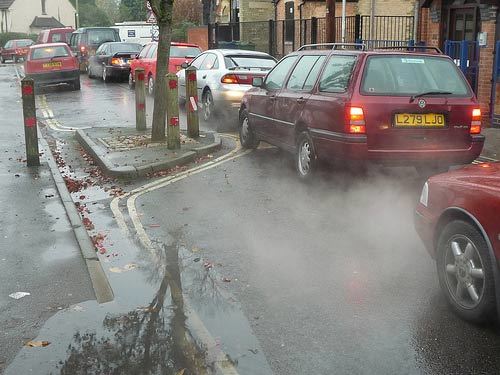
Individuals and communities can also make a difference by reducing car use, saving energy, recycling waste, supporting environmentally friendly businesses, taking part in local clean-up efforts, and promoting awareness about pollution and its effects.
Related
About The Author
