
Readers Question: Why are more students going to university, despite the increased costs associated with higher education?
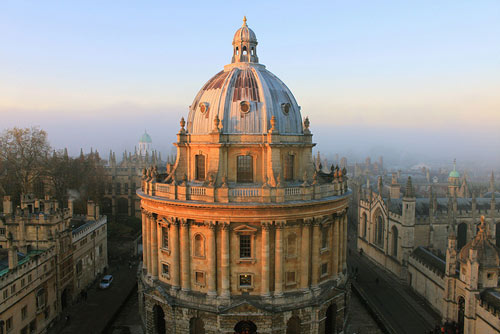
The number of students in full time education has dramatically increased in the past few decades. In the 1960s and 1970s, a full time university degree was a minority choice, but it has become increasingly popular. It is true the number of students has risen despite the rapidly increasing costs of studying to gain a degree. This follows a push by government to increase share of young people in higher education and a belief that a degree is a passport to a better job.

Number of Students UK
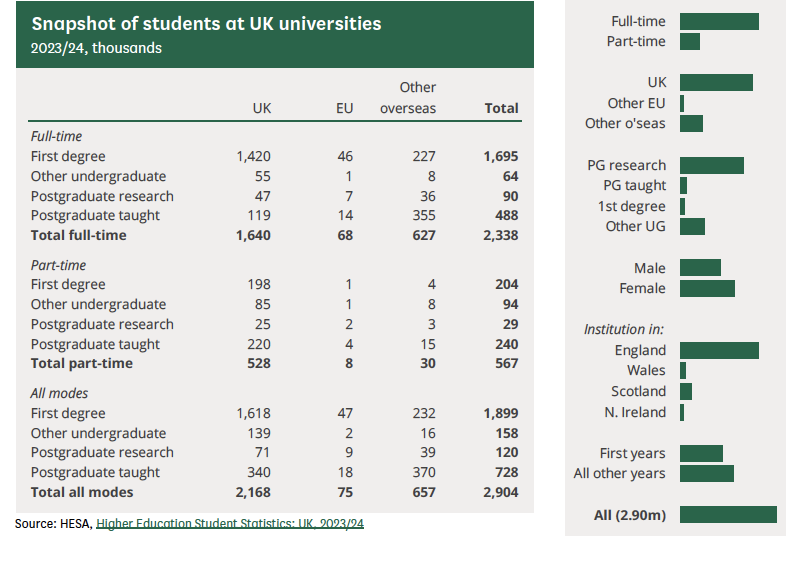
From less than 400,000 students in the 1960s, in 1995-6 the number rose to about 1.6 million students undertaking courses of higher education in the UK. In 2022, there were nearly 3 million students (2.9 million).

The growth of student numbers has been driven by non-EU overseas students.
Cost of studying has increased
Tuition fees have increased from £0 in 1998 to £9,535 in 2025/26

This shows how tuition fees have increased
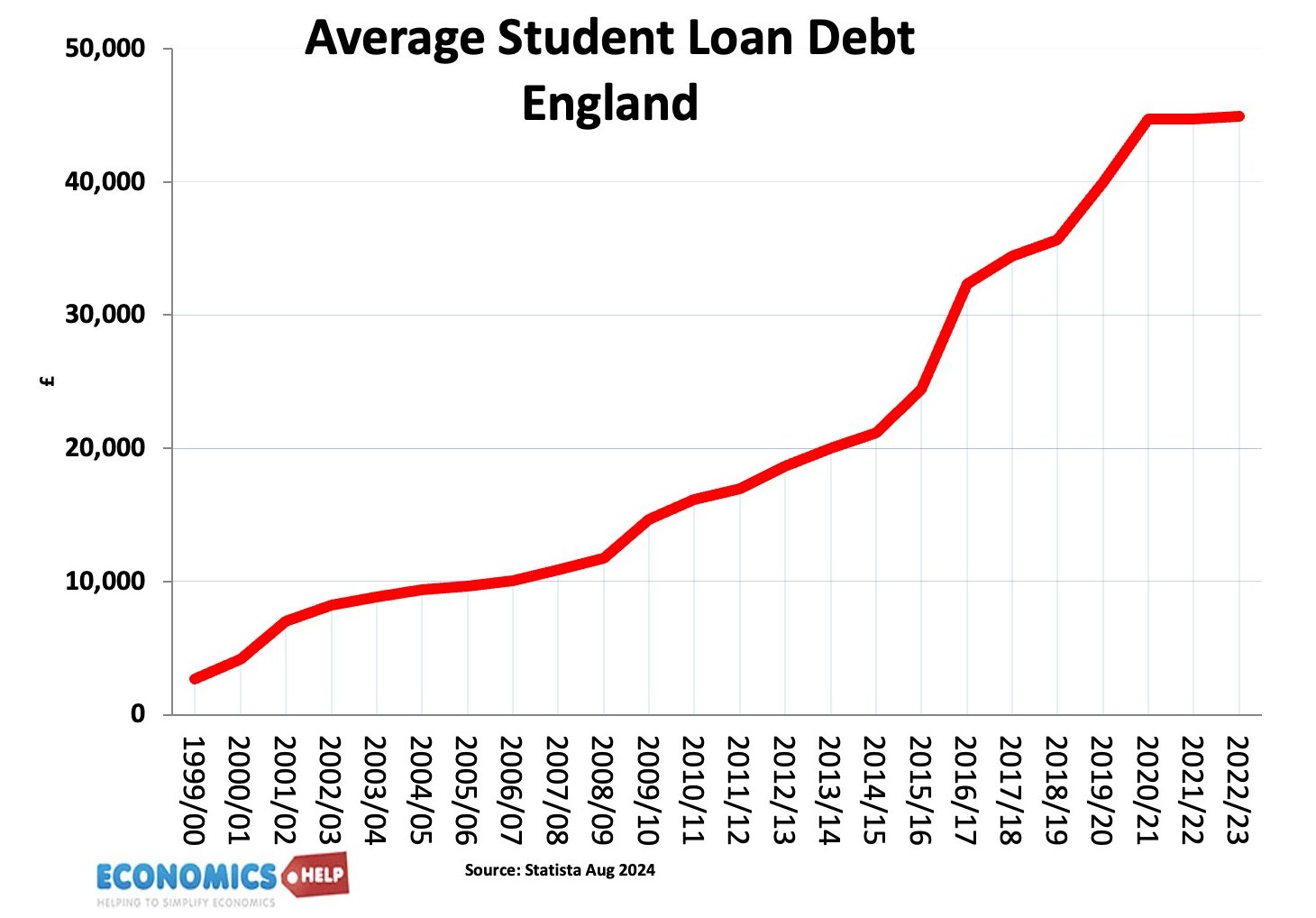
As a result of rising tuition costs, the average student loan debt has increased to £45,000
The total outstanding higher-education student loan balance in the UK rose from £54.4 billion in 2013–14 to about £236.2 billion by 2023–24.
Why Student numbers increase despite the higher cost
- Change in social attitudes. Going to university is increasingly seen as the ‘thing to do’. Many schools recommend going to university as a matter of course. Going to university is often the default choice and gives students the opportunity to take a similar path to their friend.
- Increased competition for jobs. There is a perception that a university degree helps get a better-paid job. For example, in recent decades, more companies have started to require a degree for certain jobs. To give one example, in the 1960s, my father trained to be an accountant despite not getting any A-Levels. These days, accountants would have to not only get A-Levels but a degree as well.
- An alternative to a stagnant job market. In a recession, going to university is a good alternative to struggling to get a job. People hope after 3 years of a degree, the job market will offer better prospects.
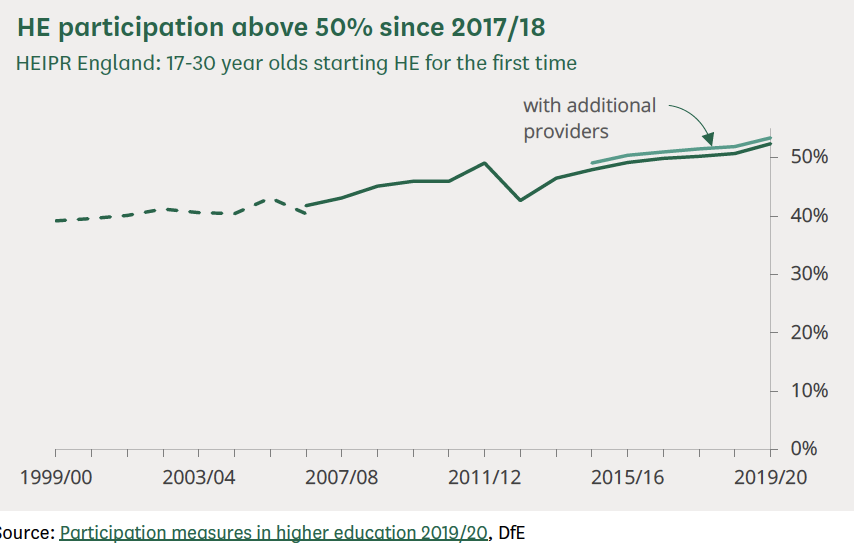
- Government Target of 50% in higher education. To improve international competitiveness, the Government have a target of 50% of people in higher education and have encouraged the expansion of student numbers.
- School League Tables. Schools have become more competitive and they have a desire to get better A-level results and strongly encourage students to go to university. The idea of vocational training or other career paths is often frowned upon by many schools (Having worked in A-level sector I know how this pressure occurs.
- Rise in female participation. Women are now more likely to goto university than men. In previous decades, women were far less likely to go.
- The belief that a degree gives a wage premium. Though this wage premium may be in decline as supply of graduates increases.
- Non-financial benefits of university. Student may choose to go to university because it gives them the opportunity to learn about a subject, the freedom to learn about life and spend time with friends.
- Growth in overseas students who believe UK universities have good reputation.
Backlash against Going to University
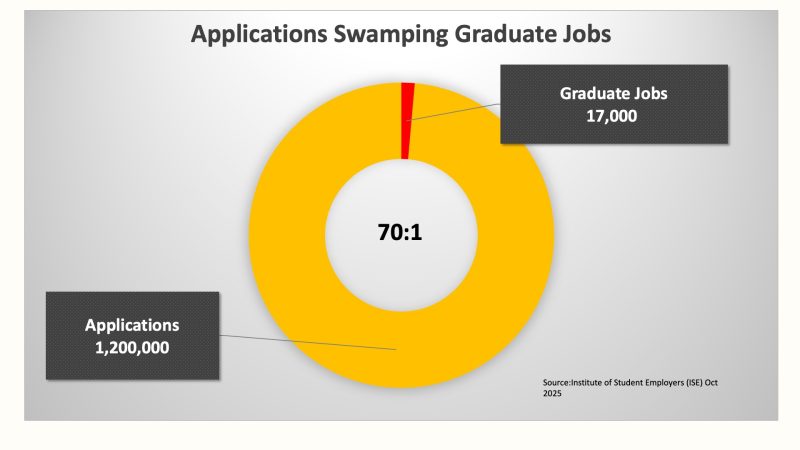
In 2025, there was a growing difficulty for graduates in finding jobs. This is due to a few factors
- Growth of AI taking away entry level graduate jobs
- Growth of minimum wage mean that many graduate entry-level ,jobs do not pay much more than a salary on the minimum wage.
- Declining wage premium for graduates
- Increased cost and loans. Given house prices, you have a better chance of buying a house in your 20s, if you start working at 16 or 18, and don’t leave university with large debt aged 21.
- Firms no longer so keen on requiring degrees. Although it varies, an increasingly competitive labour market, means firms may start to value more real world experience rather than just a degree. This is especially true for humanities degrees.
Video on why graduates are struggling to get jobs
Economic Perspective
Basic economic law suggests a higher price will lead to lower demand.
- That is still true. A higher price of university education leads to a movement along the demand curve. In other words, the increased cost of university education is putting some people off.
- If university education was the same price as in 1980s, there would be an even bigger number going to university.
- I would also guess demand for university education is price inelastic. – A higher price of university only causes a relatively small fall in demand. – There aren’t any close alternatives to getting a degree.
What is happening with University education is that the demand curve is shifting to the right.
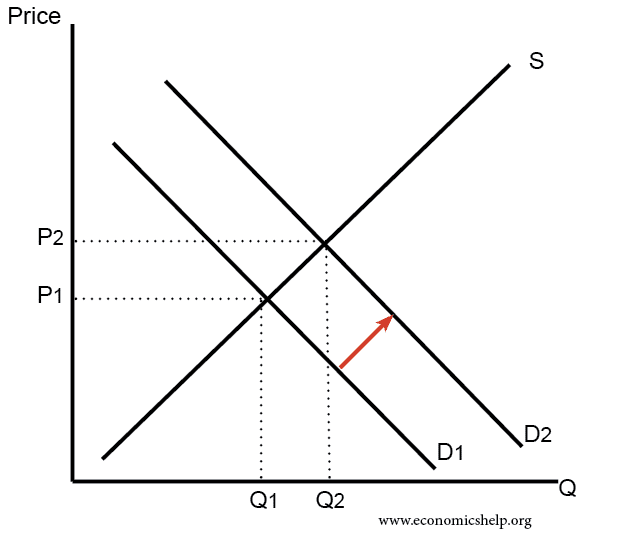
The Demand Curve for University Education is shifting to the Right because
It is a similar principle to the housing market. Despite higher house prices we often see a continued increase in demand. The law of demand still applies. But, the demand curve is shifting to the right. Therefore, even at higher prices, consumers are willing to buy more. (Speculative Demand Housing)
Breakdown of Student Numbers in UK
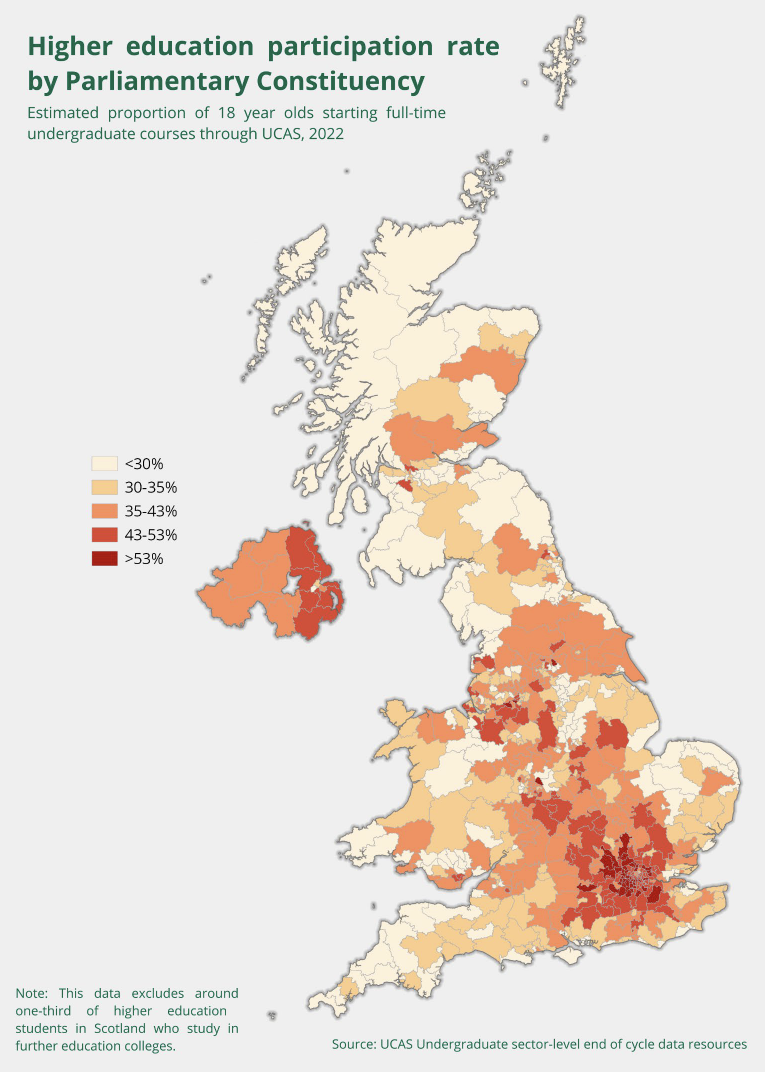
This shows percentage of young people going to university is geographically concentrated in London and south east.
Related
About The Author
