

The current market share for web-browsers (2026)
- Chrome (Google) – 50%
- Safari (Apple) – 30%
- Edge (Microsoft) – 9%
- Firefox (Mozilla) – 2%
- Opera (Kunlun Tech Co, Chinese) – 1%
- Others – 8%
This is a duopoly with fringe competition. Both Chrome and Safari have a degree of monopoly power (over 25%). The five firm concentration ratio is 92% making it a concentrated oligopoly.
Change in Market Share since 2009

The big change since 2009 is the decline in internet explorer (IE) and the rise of Chrome (Google)
Internet Explorer was pre-loaded onto windows machines with no option of alternatives. This vertical integration gave Microsoft a big advantage. Effectively, it created a very strong barrier to entry as people with limited knowledge or time didn’t bother to replace IE with another web browser.
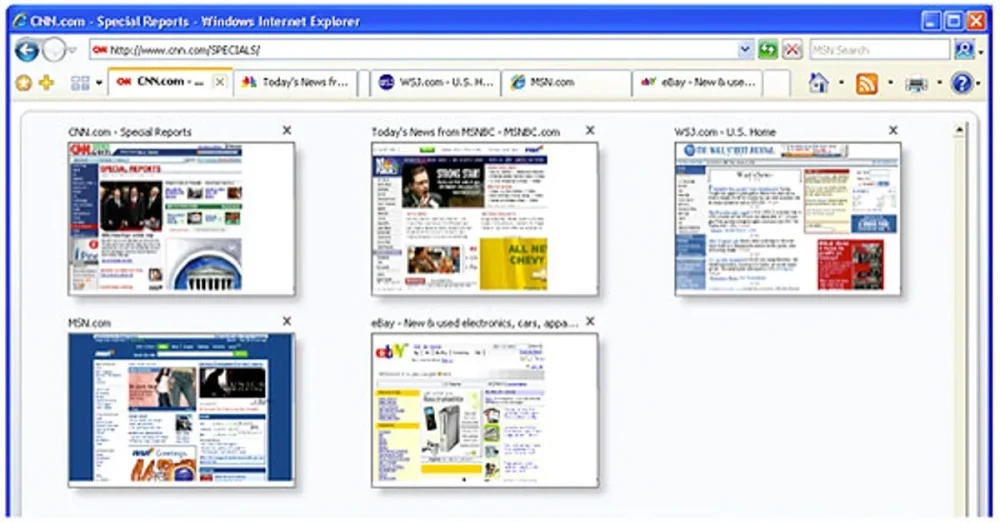
However, the problem with internet explorer is that it wasn’t very good.
Also, in January 2008 following a complaint from Opera, a competing browser maker. The European Commission found that tying Internet Explorer to Windows stifled competition and innovation in the web browser market. It ordered Microsoft to give users a choice. In 2013, the EU Commission fined Microsoft €561 million for failing to comply with the need to open up to competition.
But now Internet Explorer is a thing of the past. Even Microsoft gave up on it because of such a poor brand image. It came up with Edge, but that has struggled to cope with the rise of Chrome and Safari. It is no co-incidence that the dominant web browsers are owned by big tech companies – Google and Apple. Chrome has many features and is a market leader. Safari has also benefited from Apple’s dominance of the smartphone market, enabling it to be preloaded on Apple phones.
I was surprised at the decline of Firefox I have been using since I can remember. I also have Safari, Chrome and Opera so I do switch between them for different things. Chrome is best for checking web development, which I do have to do sometimes.
Barriers to Entry
There are actually many small browsers, but it can be hard to get traction, and so we see the market dominated by the big tech browsers. The main barriers to entry in the market are
- Vertical integration. Computers and phones pre-load browsers of choice.
- Time required to make a fast browser with lots of features
- Little incentive for consumers to switch, given that browsers are free.
- Default choices. Consumers stick with the choices they already have.
New form of competition
However, an interesting question is whether web browsers face a new form of competition from Apps like Chat GPT. I don’t think it will be too significant. But Chat GPT even has its own browser with Chat GPT added in. However, Chat GPT is starting to lose market share to Google Gemini.
Related topics
About The Author
