
Readers Question: Who owns the Bank of England?
The Bank of England is owned by the UK government. Its capital held by the Treasury Solicitor on behalf of HM Treasury.
From Bank of England website
“As a public organisation, wholly-owned by Government, and with a significant public policy role, the Bank is accountable to Parliament”
- Although it’s government-owned, the Bank has been given independence in setting monetary policy. Though the government set an inflation target.
- The Bank was nationalised in 1946, and since then its ownership has been fully public-sector.
- The Bank issues banknotes, regulates monetary policy etc., but structurally it does not function like a normal commercial bank or privately-owned company.
History of the Bank of England
- The Bank of England was set up by, ironically, a Scotsman – William Paterson. It was initially a private bank in 1694 acting as lender to the Government.
- The Bank was given a Royal Charter, and in 1844, the Bank Charter Act gave the Bank of England sole right to issue notes and coins.
- The Bank of England was nationalised in 1946. (Nationalisation means government takes ownership)
- In 1997, the Bank of England was given independence over setting Monetary Policy.
Amusing Yahoo Answers Who Owns the Bank of England-
- – The Queen (source: history class),
- The Saudis,
- The public – so go help yourself …..
- Who Own Bank of England?
Bank of England and Rothschilds
Update: For some reason, many people think the Bank of England is privately owned by the Rothschilds. (There is a similar conspiracy theory about the US Federal Reserve). I wrote to the Bank of England and asked for clarification. This was their reply.
The Bank of England is the central bank of the United Kingdom and was established as a corporate body by Royal Charter under the Bank of England Act 1694. The Bank was nationalised on 1 March 1946, and gained operational independence to set interest rates in 1997 (the Bank of England Act 1998 Part II sets out the responsibilities and objectives of the Bank in relation to monetary policy).
The Bank is a public sector institution, wholly-owned by the government, but accountable to Parliament. The entire capital of the Bank is, in fact, held by the Treasury solicitor on behalf of HM Treasury. Each year, the Bank is required to submit its Report and Accounts to Parliament, via the Chancellor of the Exchequer. For more information you may be interested to see the Bank’s latest Report and Accounts, which can be found on our website at:
www.bankofengland.co.uk/publications/annualreport/index.htm
As to the supposed ‘Rothschild’ connection, I don’t know why people should think that the family own us. But a number of the Rothschilds have served on the Bank’s Court of Directors over the years.
The Rothschild banking family had historical dealings with the British government in the 19th century, mainly:
Financing government bonds (especially during Napoleonic Wars)
Helping manage certain government loans. These were standard commercial banking relationships of the era, similar to many other banks.
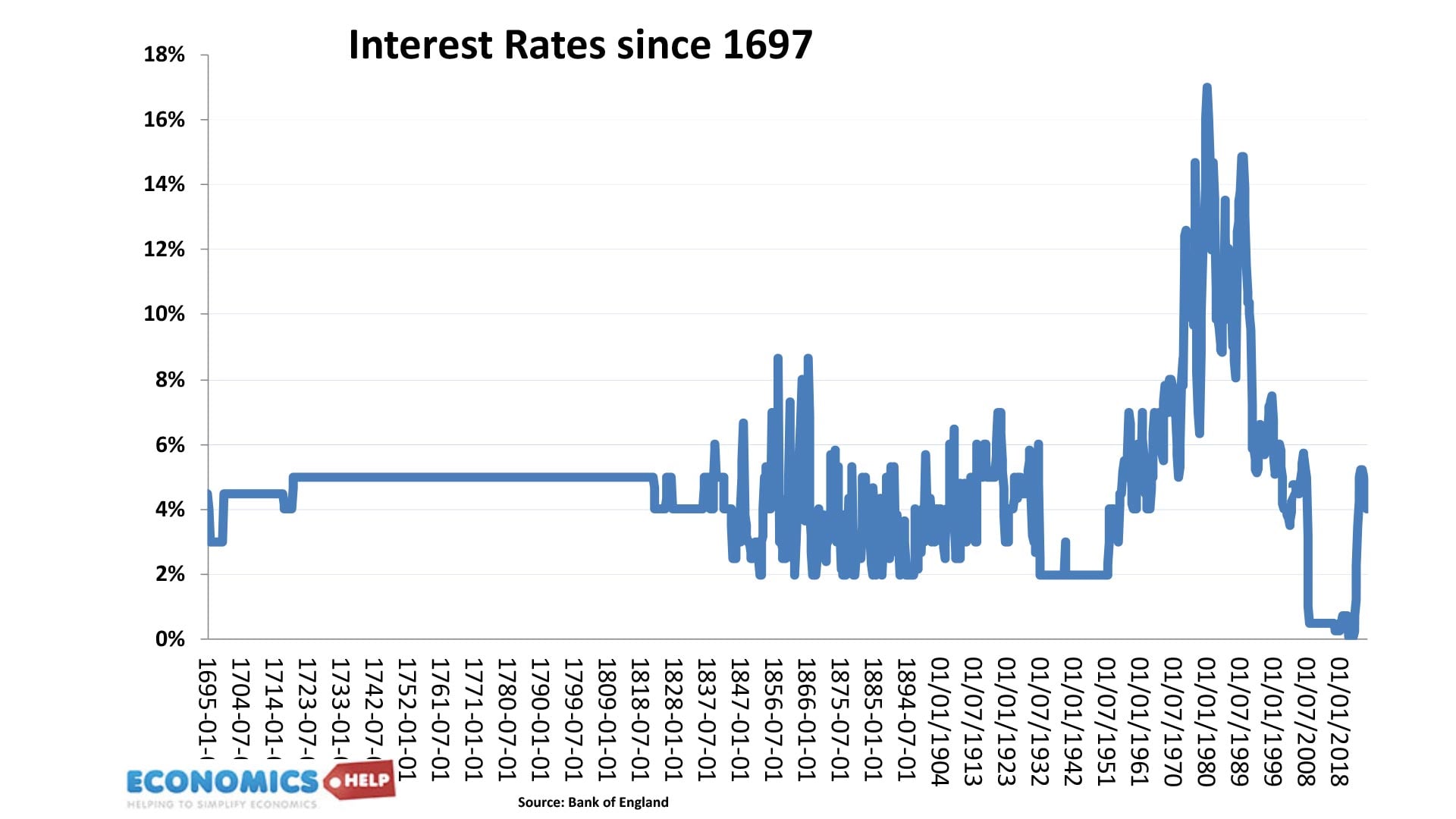
Bank of England Interest rates
Related
About The Author

Interest will always be a problem as far as Government Bonds are issued, whether the BoE is privately or publicly owned. The core problem is the issuance of money as debt.
Since we borrow money by issuing Bonds, which foreign and domestic investors purchase, there has to be an interest rate given as incentive to those lenders to get a return, unless of course it is a charitable donation.
The BoE facilitates the transactions, and also sets the interest rate on those bonds sold. The interest rate impacts on the amount we can afford to technically borrow as a country in two counterbalancing ways:
1. How much we’ll have to pay back in interest payments
2. How willing investors are to pump money into the UK economy at a particular rate of return.
Private ownership (a separate issue) of the Central Bank should be anathema to any democracy. If the BoE is privately owned, then the government can be brought to its knees by private interests, which can never be good for a democracy. However, judging from the sheer lack of oversight in government that we have witnessed over the past few years, and the common whitewashes from the judicial system when considering government affairs, can we truly say that the “public” sector isn’t run by private interests either?
and if my last statment is true ,how much can i borrow and who will pay it back
if the govt own the bank of england , why are they
borrowing money from it to fight wars etc and why sre we paying for it?
how can the us have a huge national debt, while Indonesia has recently paid theirs off… and who exactly does the richest country in the world owe money to..and how come Switzerland..wit no real economy is so rich hmm..
taken from audited a/cs 2008, note 2 (t):
“The entire equity capital comprising £14,553,000 of Bank Stock is held by the Treasury Solicitor on behalf of HM Treasury.
Under Section 1 (4) of the Bank of England Act 1946, subsequent to the end of each year HM Treasury receives payments
of half the post-tax profits unless the Bank and HM Treasury agree otherwise. The payments are deductible for
corporation tax and charged to equity in the year to which they relate on the basis as agreed at the end of the
relevant year.” looks like the rest of profit just sits in retained earnings. Not sure about the implications of gov paying interest to BoE (as asserted by Mark), who then pay tax back to HMRC, and then share the net profits with the gov.
Let me ask you a simple question: what country in its right mind would create a system that would force it to lend itself money and have to repay the money WITH INTEREST? What country would charge itself interest? What nation would put itself out of business by making it bankrupt because of interest? also why is our money backed by nothing now.
Buy gold and silver. precious metals hedge your bets against this fiat monopoly.
You clearly have such a strong grasp and depth of knowledge when it comes to monetary policy and how the national finances operate, it would be pointless in disputing your points here :’’) lol
I can see that you have no grasp on how the monetary system work.
I would love to have a debate with you.