
September 1976 – A Labour government is facing a surging budget deficit, inflation on the rise, and a crisis of confidence in the UK economy. Expecting higher interest rates, investors refused to buy more government bonds, precipitating a crisis. Sterling plunged, and the UK was heading towards a full-blown meltdown. Cap in hand, the chancellor had to go to the IMF asking for the then-largest-ever IMF bailout ($3.9billion). The Economist declared the British government was bust. The Wall Street Journal ran a headline, “‘Goodbye, Great Britain” That was 28 September 1976, but 49 years later you may notice some disturbing parallels with today, except in some sense, things are worse. Government debt is twice as high, the economy is not growing, the current account deficit is bigger debt forecast to rise. Yet, the 1976 crisis also had important differences so what lessons can we take from history?
Falling Behind
In the 1970s, the UK was falling behind its main competitors. Compared to say, France, UK GDP had fallen 30% in recent decades. UK industry was losing competitiveness, not helped by record strikes, pay deals and a complacent management of UK industry still stuck in the past. It led to a current account deficit, which in those days was front-page news. Declining industrial fortunes led to a depreciation in the Pound, causing higher import prices and inflation. But, in those day,s the value of the Pound was jealously guarded; it was seen as a symbol of economic strength, but the problem was that the economy couldn’t support the value of the Pound and the British government were using up foreign reserves to protect its value.
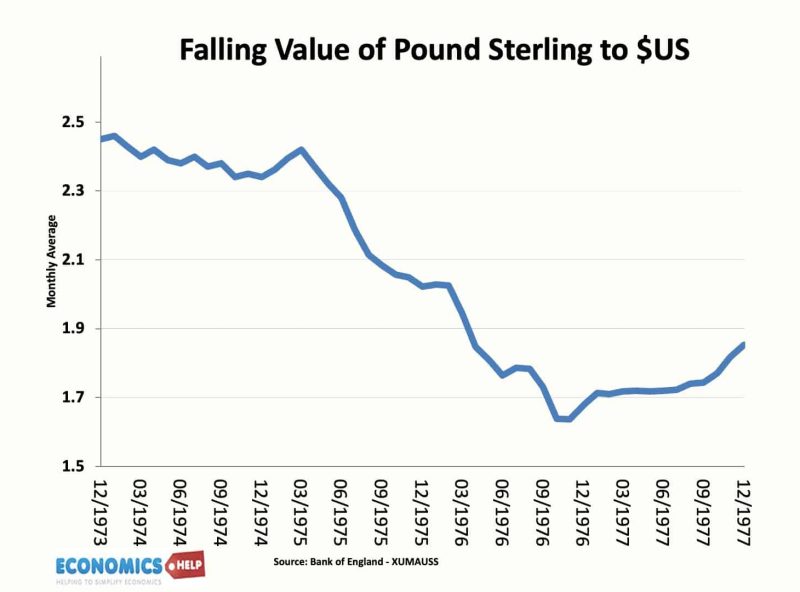
Economic data kept getting worse, with bigger budget deficits and a rising trade deficit. The UK was running out of reserves and was borrowing from abroad to support the Pound. So the UK went to the IMF for a bailout. This bailout was then used to mostly pay back foreign banks. And the problem with IMF bailouts is that they always come with conditions, higher interest rates and spending cuts. Unsurprisingly, it split the Labour cabinet, who didn’t want to make cuts to the welfare state, but with a sense of no alternative,e it was ultimately forced through.
Reasons for Crisis
It was a symbolic event of the slow-motion car crash of the UK economy. Ironically, the seeds of the crisis could be traced back to the reckless Barber budget of 1972, in a mad dash for growth, the Conservative chancellor kind of did a Lis Truss, massive tax cuts, except on an even larger scale.
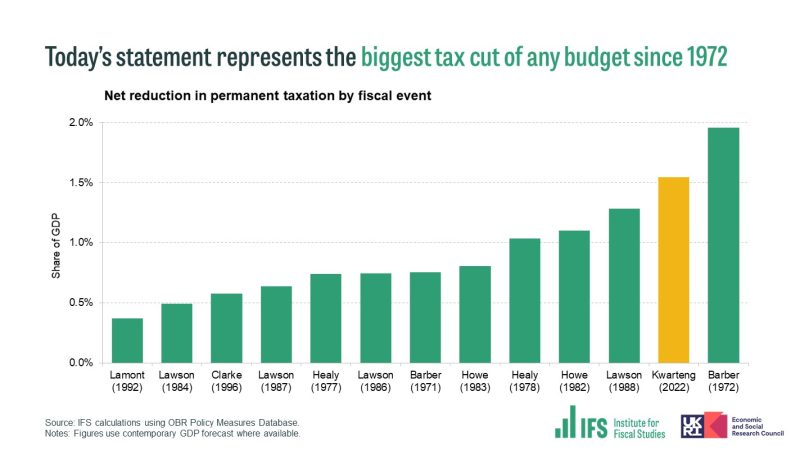
Growth soared to 10%, but so did inflation. The boom didn’t last; the economy went into a deep recession. But, then, like kicking a man when he’s on the floor, OPEC tripled oil prices in 1973, causing inflation to reach the highest level since the Napoleonic Wars. Inflation caused turmoil in the labour market, precipitating strikes, stoppages and industrial unrest. A young Mrs Thatcher couldn’t help notice how the powerful mine unions effectively brought down the Heath government in 1974, but that’s another story. The point is by 1976, the UK economy was a mess, high inflation was damaging the economy and made it very difficult for the government to borrow. The Pound was under pressure, and the government were losing the battle.
A false crisis?
One of the great ironies of 1976 was that it wasn’t actually quite as bad as it looked on the surface. The IMF bailout had partly been premised on bad borrowing figures. The Treasury predicted £10.5bn, but it actually turned out to be 20% lower at £8.5bn. The chancellor Denis Healey was later furious, saying “[an economist was] a man who, when you ask him for a telephone number, gives you an estimate”
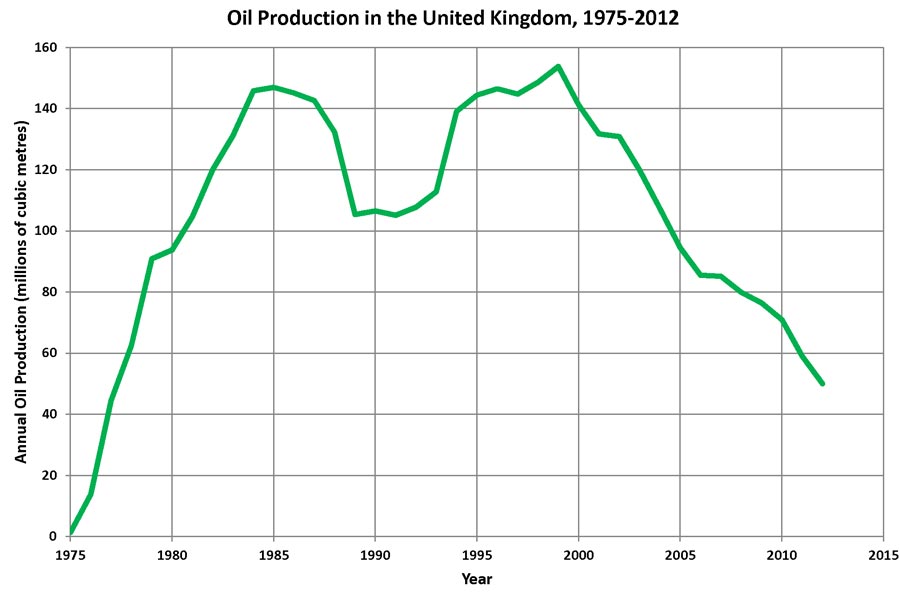
Also, 1976 was a turning point because North Sea oil was coming on tap, it led to higher growth, improved trade, and, ironically a soaring Pound. The bailout wasn’t needed after all. Labour Prime Minister James Callaghan would say that oil was “God’s gift to the British economy” Although some argue it was effectively squandered. For that Labour government, it kind of came too late. The crisis cut through, cementing the idea that broken Britain needed a change of economic direction. The comfortable post-war consensus of social democracy seemed broken, and there was a lady ready to start a revolution.
Differences with 1976
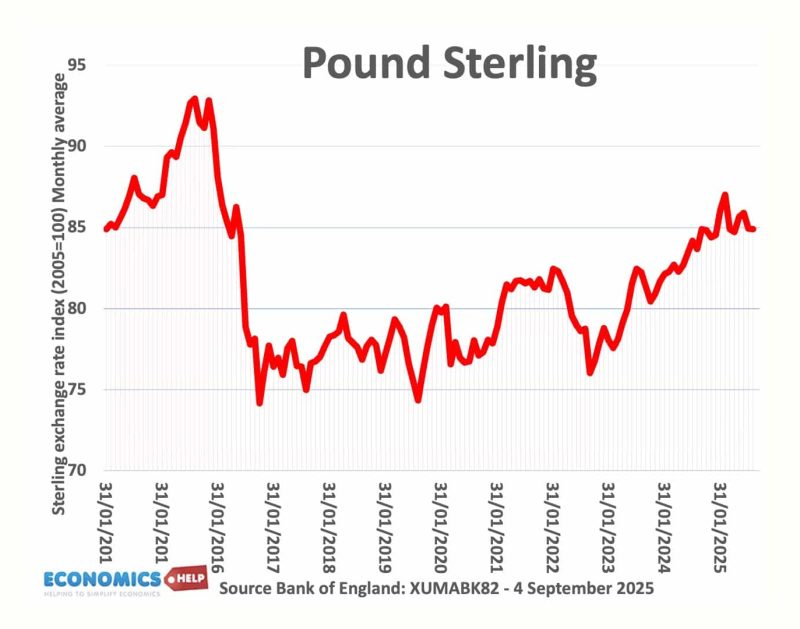
In that sense, there are many differences with today. Firstly, the UK has abandoned all exchange rate targets, the pound freely floats, and has actually been relatively stable since the Brexit devaluation. For all talk of economic crisis, the Pound has moderately appreciated this year. Though if you want to be pessimistic, that is more a reflection the UK has much higher interest rates due to the persistence of UK inflation.

A more pessimistic take is that in the 1970s, the UK economy was actually growing quite fast. Everyone thinks of it as a broken decade, but it was a time when real wages rose, and GDP per capita grew, it’s the kind of growth that seems unimaginable today. In the 1970s, there were no long-term demographic shocks coming down the line, like we face today. In 1976, government debt was 50%, but on current rates of spending and tax, we face the debt burden rising to the highest level since the Second World War.
Inflation Problem

1976 highlights the importance of inflation for creating economic volatility. Even with interest rates of 15%, bond investors didn’t want to buy government bonds because with inflation so high, they kept expecting interest rates to go up. Many bondholders actually lost out in the 1970s due to inflation being higher than expected in the 1970s. Today, inflation in the UK is still a problem; it is significantly higher than other main economies, but at the same time inflation of 3.8% is not comparable to rates of 10 or 20%.
External Debt
One difference with the 1970s, is that the UK is not using any foreign currency reserves to bail out the currency; we are not borrowing from abroad. However, the current account deficit is actually much bigger than in 1976.
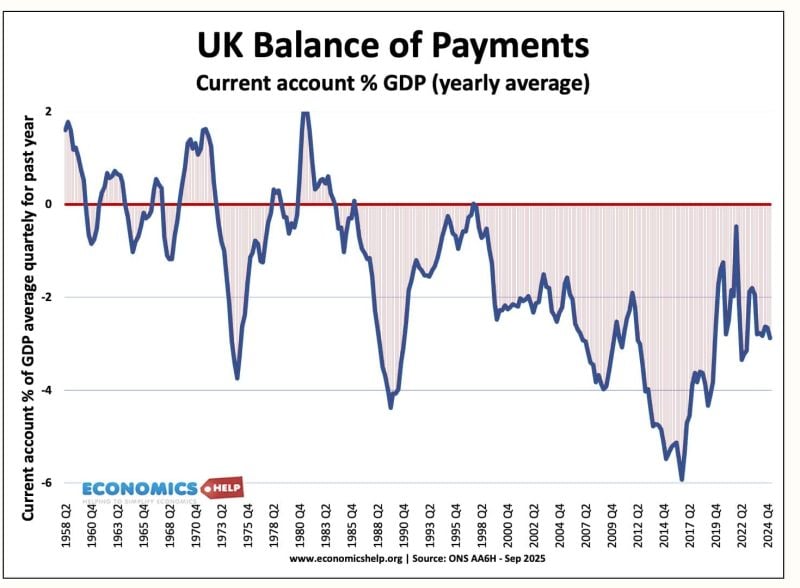
The deficit was 1.5% of GDP in 1976; today, it is double that, though it barely gets a mention. Today the UK’s large current account deficit is being financed by capital flows. Think of US private equity firms buying up UK assets or foreign investors buying UK debt. In fact, one of more concerning developments in the UK is that borrowing will be increasingly significant in the coming years, but with UK pension funds holding back, we will be increasingly reliant on foreign buyers of UK debt. There is a big difference between borrowing domestically and borrowing from abroad. When you rely on foreign investors to buy an increasing share of UK government debt, it makes the economy more vulnerable to concerns over sterling and UK inflation.
However, at least for the time being, the shadow of an IMF bailout is not on the horizon. Market appetite for UK debt is still quite strong, there is always the Bank of England who could restart a form of quantitative easing. For all the problems of the UK economy, there is no strong pressure on Sterling, the UK is not alone in having problems of low growth and rising debt for a start.
Related
About The Author
