
In 2016, the UK’s vote to leave the EU, shocked the EU establishment. Eurosceptics were jubilant – now that the unthinkable had happened, other countries would soon follow. Frexit, Dexit and Nexit were suddenly all on the cards. Plucky Britain had shown the power of taking back control. In recent years, the same populist sentiments that led to the Brexit vote have seen the far right making sweeping gains in France, Germany and the Netherlands. Yet, despite sharing similar views on immigration, they have been curiously quiet about leaving the EU. But there is a good reason.
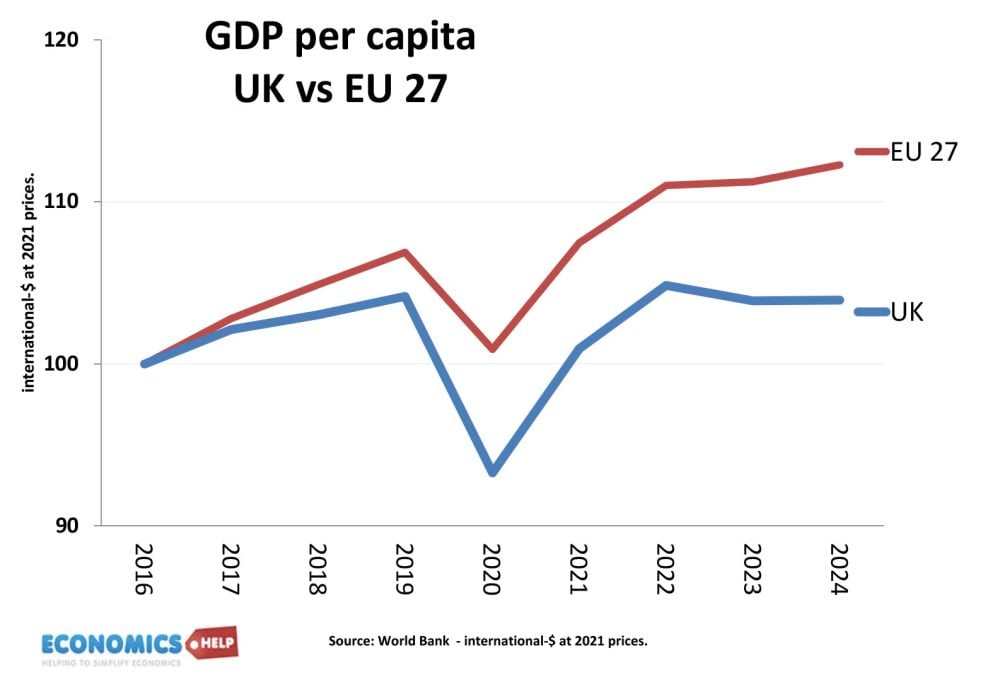
Since 2016, UK GDP per capita has increased 3%. European Union per capita growth has increased 12%
In 2016, in the aftermath of the Euro debt crisis and punishing austerity, support for the EU had fallen to an all time low.
However as voters saw the political and economic turmoil of Brexit unfolding, support for the EU began to return. This is the story of how UK’s disastrous Brexit was an unexpected tonic for a beleaguered European Union.
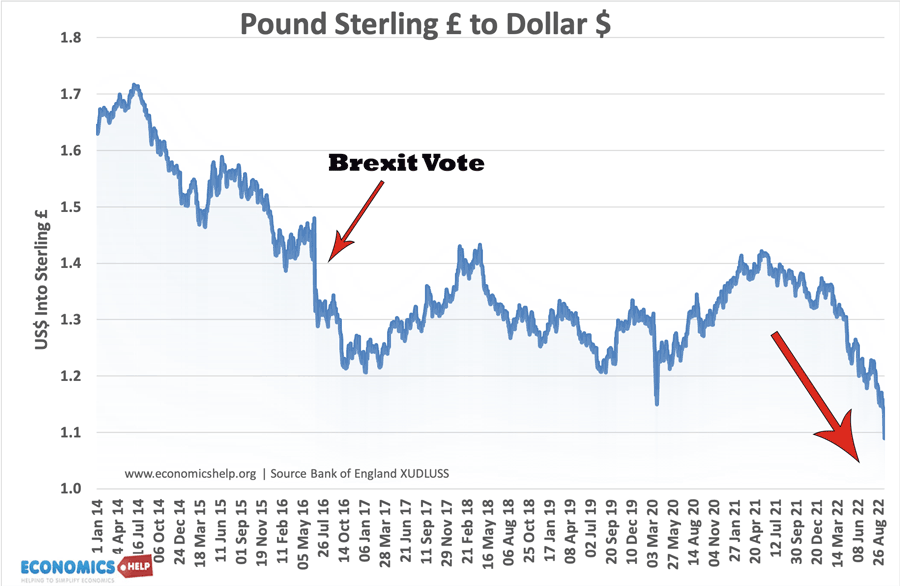
As Brexit voters celebrated, the Pound plunged 13%, reflecting the market’s view that UK economic prospects were worse off outside the world’s biggest trading bloc. What markets didn’t expect was that after winning the vote, leading Brexiteers would push for an even more extreme Brexit. It wasn’t enough to pursue a Norway-style deal with access to the Single Market. Flushed with success, their logical conclusion of a narrow 52-48 vote was to push for an even harder Brexit. Leave the Single Market, leave the customs union, leave the Horizon space programme, the UK even turned down an opportunity to remain part of Erasmus a cultural exchange programme allowing young people to study in Europe. The more radicalised Brexiteers even want to leave the European Convention on Human Rights, even though it is not part of the EU.
Brexit regret grows

The problem was that this ideological Brexit was increasingly controversial back home. The referendum campaign suggested Brexit would involve a nice extra £300m for the NHS, but instead, consumers noticed higher prices, investment falling, trade going down and the economy slowing down. Since Boris Johnson won the 2019 election, promising to get Brexit done, the economy has failed to grow. Real GDP per capita growth has stagnated and whilst there are many reasons, Brexit hasn’t helped. Independent studies suggest Brexit has cost anything between 2-10% of GDP.
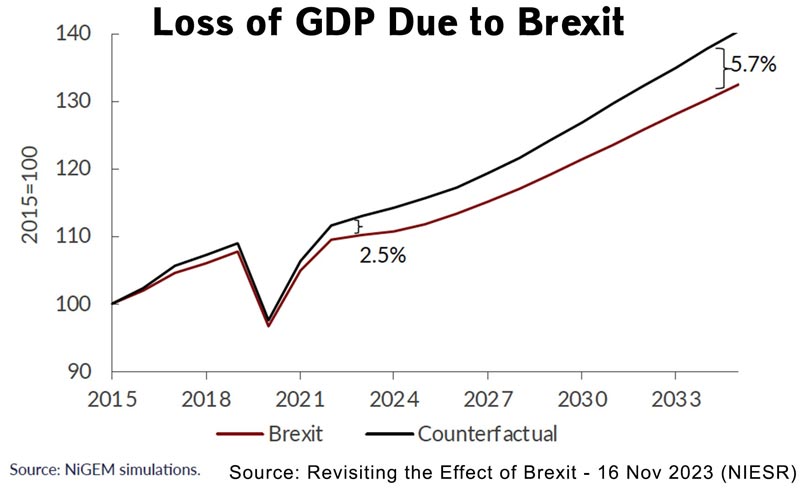
Not a single study suggests Brexit has improved living standards. An average model suggests the average Britain will be £2,300 worse off by 2030. This is the outcome any populist wants to avoid.
Difficult to leave EU
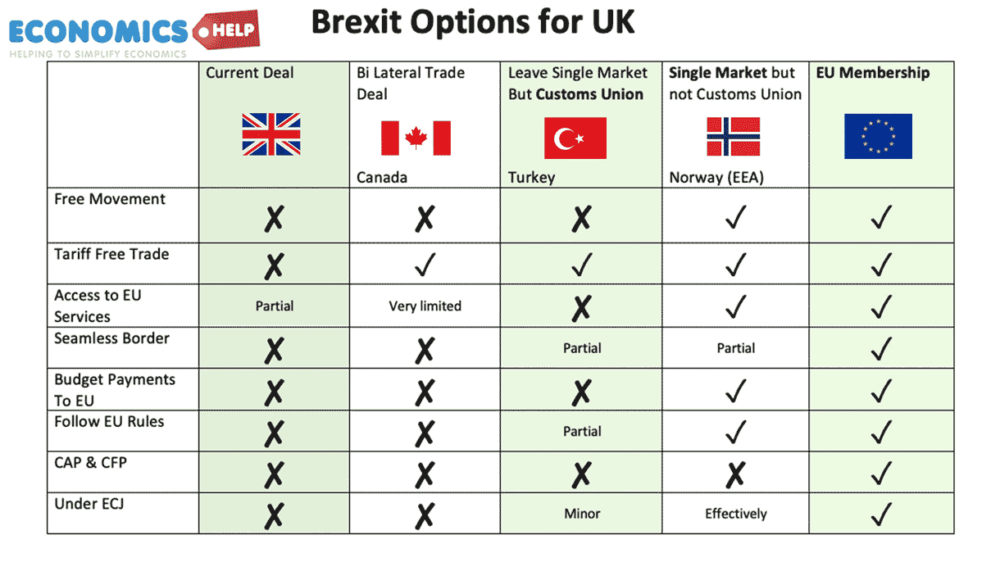
But, it’s much more than economic. The EU referendum was a simple question to a very difficult issue. Extricating yourself from 40 years of EU membership was surprisingly difficult. Prime Minister Theresa May sent several votes to the House of Commons, but not a single one passed. The only thing British MPS could agree on is that they didn’t like any of the choices offered. It seemed like you couldn’t have your cake and eat it after all. The tragedy is in the EU, Britain had negotiated lots of special deals, outside Schengen, outside the Euro and even a rebate on CAP. In the Brexit negotiations, the EU played a strong hand in dealing with Britain. Brexiteers had hoped the UK would be able to speak directly to country leaders, and pull on levers like the strong demand for German cars. But, the EU retained a unity of purpose in negotiations and remained faithful to Ireland, with the Irish border proving an unexpectedly contentious issue.
No Special Deals
Post 2016, there was to be no more special deals. Whilst the UK delegation was often badly prepared, the EU had a clear goal – make sure countries were not rewarded for leaving the EU. It’s not rocket science but the EU had no incentive to offer the best of both worlds. If you were going to leave the single market, fine, but don’t expect the benefits at the same time. And this reality of negotiations were a far cry from the easy promises of a referendum.
As the economy slowed and political instability increased, the electorate quickly turned away from Brexit. Brexit is now hugely unpopular in Britain, with a big majority regretting leaving. It is rare to find someone under 50 years old who views Brexit as a success. Boris Johnson may have won the 2019 election on the premise to get Brexit done. But, five years later, and Brexit, the Conservative Party’s flagship policy is barely mentioned. The New Labour government are now seeking closer realignment in a bid to improve the UK’s dismal growth forecasts. The problem is that after a period of stagnant wages and record immigration levels, it is very hard to answer the question – what are the benefits of Brexit?
Shifting opinion in Europe
From afar, the UK’s struggles with Brexit have been met with a degree of schadenfreude. The once stable and tolerant Britain is becoming an angrier place of division. With lorries stuck in Dover, Brexit was an excellent advert for staying in the EU. Before 2016, Marine Le Pen’s National Front openly toyed with leaving the EU, to gain control over borders. After the vote, she said the ” British had seized this extraordinary opportunity to escape servitude” But, eight years later and the policy of Frexit is quietly forgotten, even as her party do well in elections. The French are increasingly pessimistic about both their economy and their future, but at least they can take comfort from the fact that things are worse in Brexit Britain.
Brexit was not without problems for the European Union. The negotiations were time-consuming and diverted attention from more pressing problems. The UK is a major trading partner with Europe, and the impact on trade has damaged some EU exporters. The biggest hit though, has been from UK exporters losing out, e.g. especially food manufacturers. But the loss of British cheese in EU supermarkets is barely noticed; it’s not as if Europe doesn’t have its own cheese producers.
Despite the raft of economic problems for the UK, Brexit has been relatively minor for the EU. In fact, it has also created opportunities, such as British firms relocating to the Single Market to avoid customs duties. There is even risk of London losing its place as dominant role for European finance.
Brexit also focused minds in Europe to plan a new European project without the recalcitrant Britain holding back integration
Benefits of UK Leaving
Some pro-Europeans were even glad that the UK left as Britain had often dragged its heels and opposed deeper integration. Some argue that Brexit was a benefit as the EU lost a reluctant member. But, the dream of ever-closing European integration is not without difficulties. Recent events have caused the problems of Brexit to appear relatively minor. Migrant crisis, the Ukraine War, Trump tariffs, the US manufactured conflict over Greenland and the cost of living crisis have caused a new wave of anti-establishment voting. So far, this hasn’t extended to leaving the European Union. But, there is still some fraying at the edges. Without the example of Brexit, it is possible that the wave of popular frustration may have gone more to the European Union and less to national governments.
Brexit is widely seen as a mistake both in the UK and Europe. It has dampened sentiments to leave the EU, but as time passes, this example will fade from view. EU Commissioner Josep Borrell said, Brexit was feared to be an epidemic, but it has proved to be more of a vaccine. However, some vaccines can become less effective over time.
Video on regret of Brexit
Related posts
About The Author
