
For many years, Japan was a remarkable story, with debt around 250% of GDP — the highest in the world — but also interest rates near zero. In Japan’s case, it seemed you could have your cake and eat it: high debt, little cost. However, the Japanese story is changing. Inflation is returning, and bond yields have risen to a 40-year high.
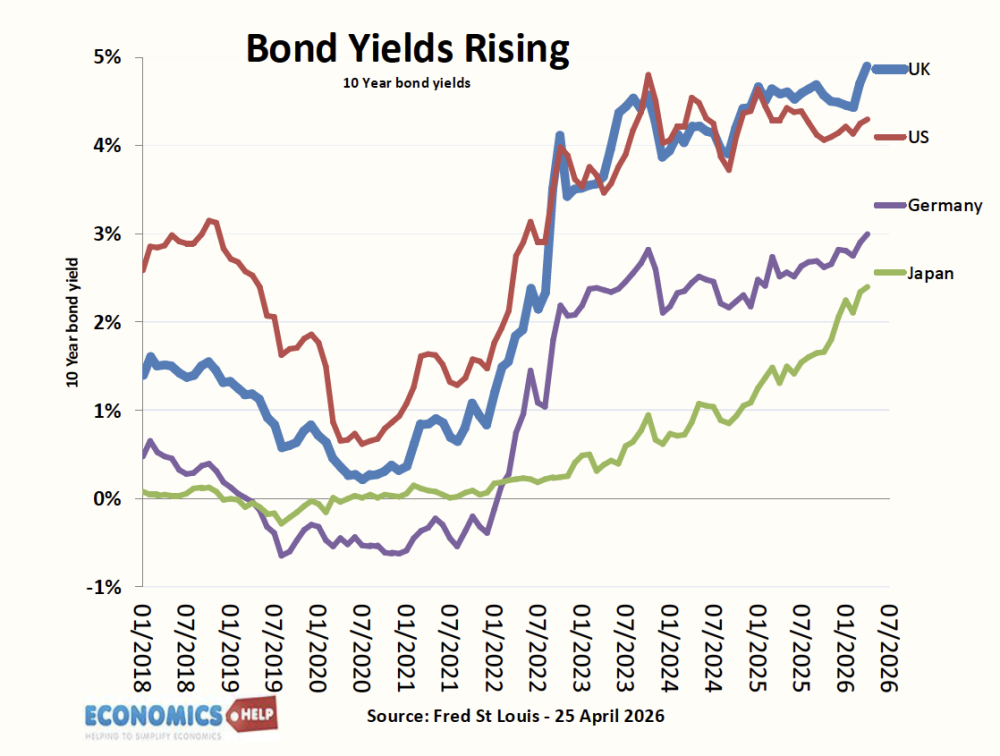
But it is more than Japan. All advanced economies have seen higher bond yields in recent years. The problem is that this rise in borrowing costs comes just as the IMF reports global debt is set to rise even further. And for every 1% rise in US bond yields, debt interest payments could increase by roughly $300–350 billion per year once fully reflected across all debt.
Stagflation shock
The current oil shock complicates the picture. Top oil analysts warn that the reality of physical oil shortages will not only push up inflation but also risk a global downturn. Higher inflation pushes up bond yields, while a global slowdown increases government borrowing. It’s the worst of both worlds.

In the UK, we are often left scratching our heads, asking — why have UK bond yields risen the most? The standard explanation is that the UK is seen as more vulnerable to economic shocks. Since 2019, UK per capita growth has been among the most disappointing, it is certainly lower than the US and Europe.
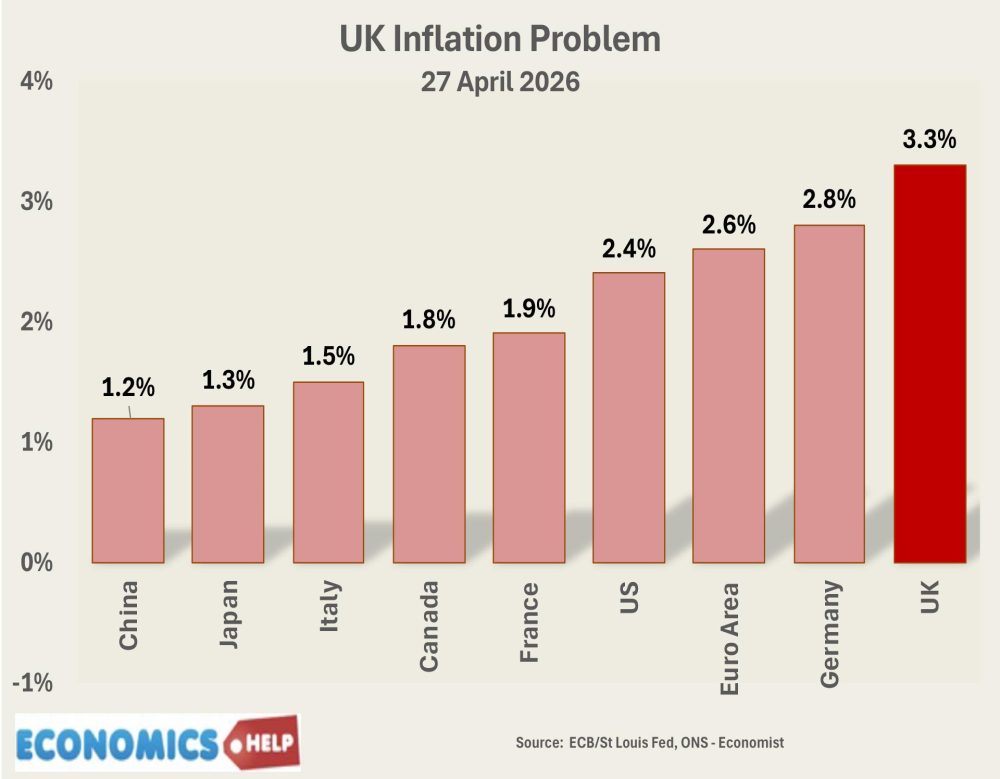
At the same time, the UK has seen persistently higher inflation, a reflection of structural weaknesses in areas like labour productivity, housing and energy. This is all on top of structural issues like an ageing population and rising welfare bill. And in the past 15 years, the government have tinkered at the edges but numerous U-turns suggest there is no political appetite for preventing the kind of debt rise that the OBR predict on current policy.

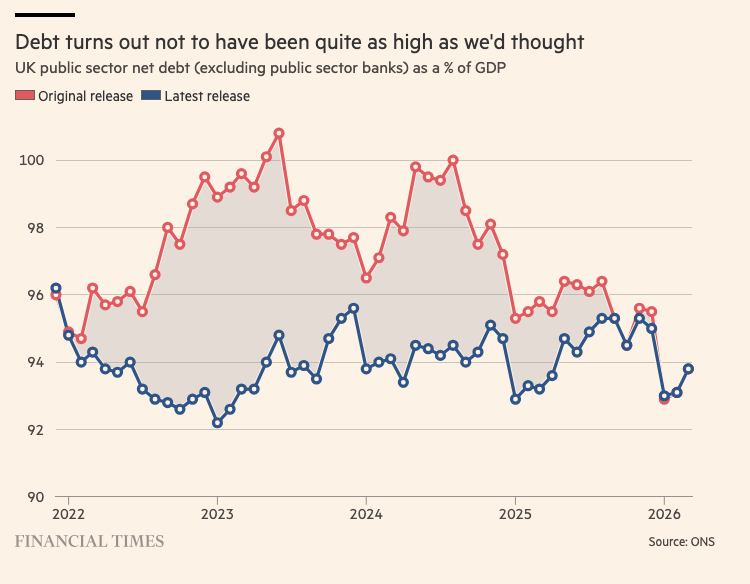
Though a complication is that the figures for public sector debt were not quite as bad as feared in 2023
But changes in the pension industry mean there is much less demand for bonds as pension firms prefer capital growth over guaranteed income. It has led the UK to rely more on foreign buyers of UK debt. But, the UK’s persistent current account deficit which mean we import more than we exports, can raise bond yields more than you might realise. A deficit tends to put upward pressure on interest rates to attract sufficient capital flows to avoid depreciation.

However, it is also worth noting another reason UK bond yields have risen: the Bank of England has been more aggressive in reversing quantitative easing, selling bonds and allowing markets to dictate bond prices. £368bn of asset purchases have been reversed through selling bonds or allowing bonds to mature. In both Europe and Japan, there has been greater central bank intervention to keep bond yields lower. The UK has been more exposed to market pricing of its debt.
And as the UK demonstrated in 2022, bond yields do matter. When Liz Truss proposed large tax cuts to boost growth, at a time of high inflation and rising interest rates, markets were spooked and bond yields surged. They rose so fast that pension funds were forced to sell bonds to maintain liquidity, which accelerated the spike in yields and caused a sharp fall in sterling. The bond market turmoil ultimately forced the government to change policy. This is why so many conversations in UK politics revolve around the bond market.

When debt is high and bond yields rise, governments have to spend more on debt interest payments. That might be good news for bondholders, but taxpayers are unlikely to welcome higher taxes to fund rising interest costs. Every 1% rise in UK bond yields will increase interest payments by £25-30bn over the bond term. By 2030, Reuters notes that Japan could be spending close to 30% of government revenue on debt interest.
Due to central bank intervention, Japanese bond yields have been low compared to their high debt levels. Though in Japan’s case it is important to look at net debt levels which is lower (Japan invested assets overseas reducing burden) However, these artificially low rates in Japan have also contributed to a fall in the value of the yen. A weaker yen helps exports, but it also raises import prices, especially energy. If the yen keeps falling and import prices continue to rise, it will require further interest rate increases in the future.

It’s not all doom and gloom. If you zoom out, you could argue that bond yields are simply returning to more normal levels. During the inflationary period of the 1970s, bond yields reached around 15–16%, albeit with much higher inflation and stronger growth.

The key difference today is that debt levels are far higher and global growth is slowing. This is crucial. In the 1970s and 1980s, economies were able to grow out of debt problems. Today, ageing populations mean higher spending on pensions and slower growth. The OECD forecasts that global debt will continue rising, meaning more bond issuance and continued upward pressure on yields.

US Treasuries have historically been seen as the global benchmark safe asset. Strong demand from international investors — including Japan and Gulf countries — has helped keep US borrowing costs relatively low. This has encouraged the US to run large deficits. Even during a period of economic growth, the US budget deficit is around 6% of GDP — very high by historical standards. Recent fiscal policy is expected to push US debt towards around 140–150% of GDP by 2050, and there appears to be limited political appetite to address this. Spending is rising, while both political parties favour lower taxes.
The current Iran crisis has actually strengthened the dollar in the short-term, but tariffs, declining confidence in US policy, and concerns over long-term debt sustainability could undermine the petrodollar system, where oil exporters recycle earnings into US assets. This would increase upward pressure on US bond yields.
Yen Carry Trade
When Japanese interest rates were near zero and US rates were 3–4%, there was a strong incentive to borrow in yen and invest in US assets — the so-called yen carry trade. As a result, Japan has accumulated over $1.1 trillion of US Treasuries, making it one of the largest foreign holders. However, if Japanese bond yields rise (and Yen stops falling), the incentive to hold US Treasuries diminishes. Investors may prefer to keep funds in Japan. A sustained rise in Japanese rates could therefore lead to capital flowing back to Japan, reducing demand for US debt. This creates a challenge for the US, which would need to attract new buyers for its bonds.
There is a view that rising bond yields are not necessarily a problem. From a historical perspective, they are still relatively low, and countries like Japan may simply be normalising after decades of ultra-low rates. Furthermore, if bond yields were to rise sharply, governments and central banks could respond by purchasing bonds again. The new Treasury pick, Fed Kevin Warsh, has claimed he prefers to reduce Fed Holdings, which means selling bonds and pushing up yields. But, at the same time, if yields rose, creating pressure on government finance, I can see political pressure on the Fed to change course and buy more bonds.
Monetary financing
However, this approach has limits. While some argue that countries with their own currency can always create money to finance debt, doing so in an environment of inflationary pressure — driven by factors like oil shocks and rising deficits — risks worsening inflation and weakening the currency. In other words, monetary financing is not a cost-free solution.
So does it matter if bond yields rise?
Yes. Because it means higher debt interest payments, which has a cost of higher taxes and or lower spending. Futhermore it matters because economic growth has really slowed down, and there will be greater global competition for selling bonds. In a liquidity trap and ultra low rates, Central Banks can get away with Qunatitative easing and bond buying but with inflationary pressures returning, this option is limited. For the US, it is particularly an interesting question because of end of petrodollar, this video explains what this means and what is happeneing.
https://www.oecd.org/en/publications/global-debt-report-2026_e9d80efd-en.html
As of late 2025, Japanese investors held 18% of U.S Treasury debt
Consider the numbers:
- Japan’s central bank still owns approximately 50% of all Japanese government bonds, roughly $3.7 trillion worth.
- When you add in domestic banks, insurers, and pension funds, Japanese institutions hold over 80% of Japan’s debt.
- The BoJ’s balance sheet is approximately 110% of GDP, far larger than the Fed’s 23% or the ECB’s 41%.
https://substack.com/home/post/p-180821513
When Toyota’s finance team crunches the numbers, they estimate they gain about $300 million in profit for every single yen the currency weakens against the dollar.
Japan reported a current account surplus of over $115 billion in the first half of this year.
Debt-servicing costs will likely hit 40.3 trillion yen in fiscal 2029, up from 31.3 trillion yen in fiscal 2026, amounting to roughly 30% of total expenditures, underscoring the strain that rising bond yields would inflict on Japan’s finances.
Extra Notes
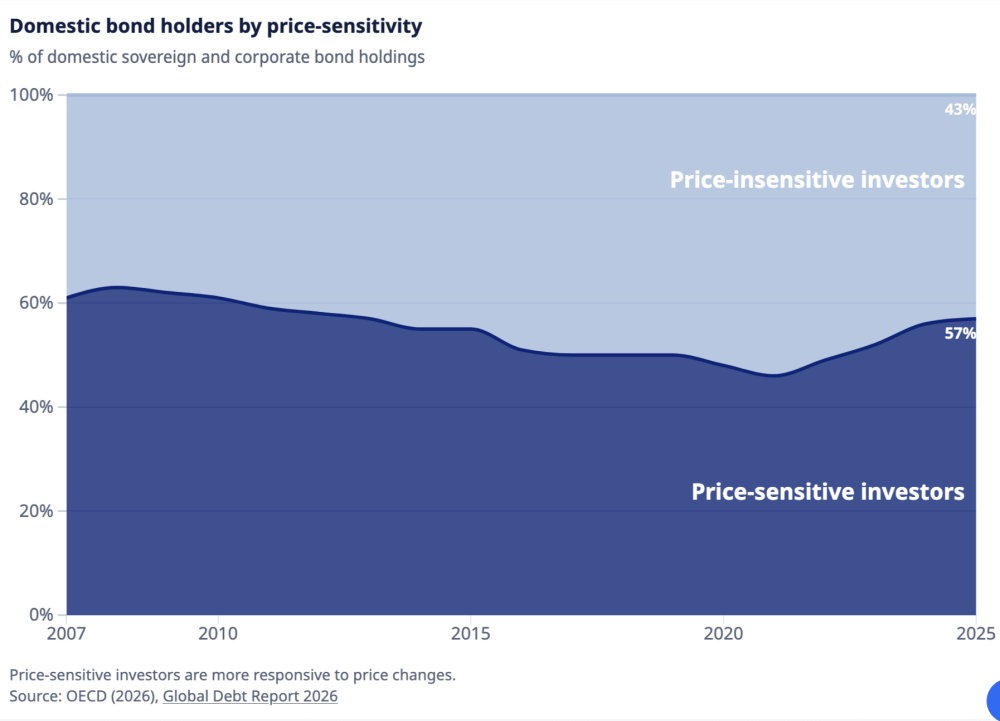
As Central Banks cut back on debt holdings, it is private investors who step in, but they want the highest return. This OECD chart shows how buyers of debt are increasingly sensitive to price. This pushes up bond yields.
UK debt is actually lower than the first estimates, especially in 2023.
About The Author
